1. Why China’s Internet Is Such a Pain (And How Airalo Saves the Day)
Ever tried using your phone in China? Yeah, it’s a nightmare, especially when it comes to mobile data . Between the Great Firewall blocking half your apps and the confusion with SIM cards, staying connected is like solving a puzzle while jetlagged.
Look, I’ve been there—standing at some airport counter trying to communicate “I need data” through hand gestures. Trust me on this: after multiple trips to China, I’ve finally found something that just works: Airalo.
I’ve used their esim plan 4-5 times now, including my recent 2025 trip, and it’s changed everything about how I travel there. The best part? You can set everything up before you even board your flight.
2. What Exactly Is Airalo? (Digital SIM Magic Explained)
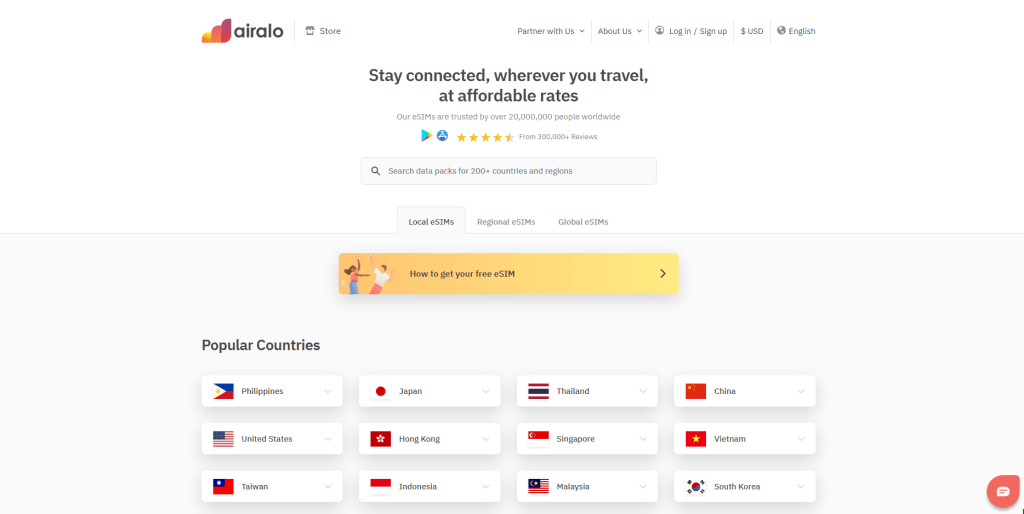
Here’s the thing about Airalo—it’s basically a digital SIM card provider that eliminates all the physical hassle. Instead of popping out your tiny SIM card (only to lose it somewhere in your luggage), you simply download the Airalo app, browse their marketplace, and install an eSIM profile that connects to the mobile network directly to your phone.
Airalo makes this ridiculously simple. You can purchase, activate, and manage everything from either the app or the Airalo site before your trip. This means you can access data connectivity immediately upon landing—no more hunting for SIM vendors at Chinese airports or struggling with language barriers.
Unlike traditional roaming, which often comes with shocking bills, Airalo lets you know exactly what you’re paying upfront. No hidden fees, no surprises.
3. Why Airalo Has Become My Go-To for China Travel
After using physical SIMs, international roaming, and even portable WiFi devices across multiple China trips, I’ve settled on Airalo for three main reasons regarding my mobile data plan :
- It actually works everywhere I’ve been From Beijing’s busy streets to remote sections of the Great Wall, I consistently got reliable cellular data. Even in Zhangjiajie’s mountains, I had better coverage than my travel companions using local SIMs.
- Keep your home number active This is HUGE. My Canadian SIM stays in for calls and text messages while my data comes from the Airalo eSIM. When your bank sends that security code while you’re ordering dumplings in Shanghai? Priceless.
- No more SIM juggling Remember the days of playing “don’t lose the tiny SIM card” game? Those miniature plastic hotel key cards became my desperate SIM card holders. With Airalo, that nightmare is over.
4. The Great Firewall Reality Check (Important VPN Talk)
Let’s get something straight about China’s internet. Airalo gives you data connection, but it doesn’t magically bypass China’s internet restrictions.
You’ll still need a VPN for Google, Gmail, Instagram, WhatsApp, and practically every Western app you rely on. Without one, you’ll be staring at endless loading screens.
Pro tip that I learned the hard way: Download your VPN BEFORE you land in China. Seriously. It’s nearly impossible to get one once you’re already behind the Firewall. I recommend ExpressVPN or Astrill based on my experiences, but do your research before traveling.
5. Getting Started: How to Set Up Airalo for China
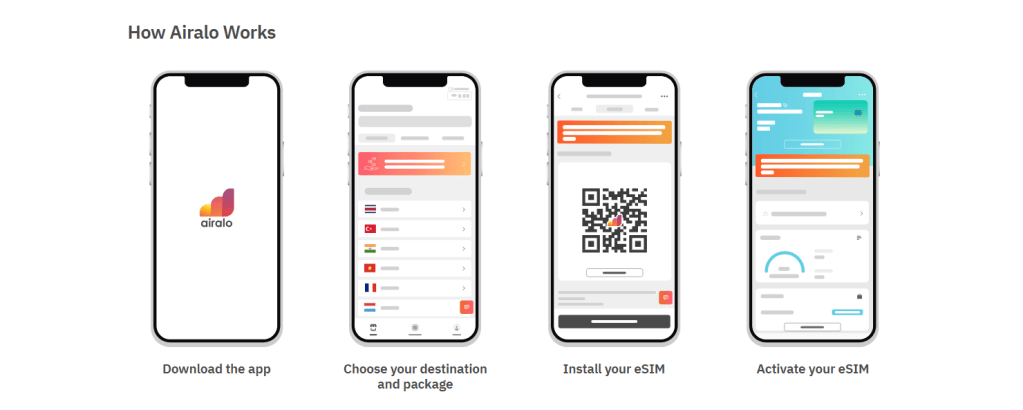
Setting up Airalo with their esim package is refreshingly simple:
- Visit the Airalo website or download their app
- Search for “China” or browse their Asia regional plans
- Choose your data package (I recommend at least 3GB for a week)
- Complete your purchase
- Follow the step-by-step installation guide
- Activate in your phone settings once you land
The whole process takes about 5 minutes. Compare that to the hour I once spent at a China Mobile counter trying to communicate what I needed!
6. Plans and Pricing: What You’ll Actually Pay
Is Airalo the absolute cheapest option? Honestly, no. You might find a local physical SIM with more data for less money. But the convenience factor? Worth every yuan.
Typical China plans I’ve used:
- 1GB/7 days (~$5-7) – Good for quick business trips
- 3GB/30 days (~$10-12) – Perfect for week-long vacations
- 5GB+/30 days (~$15-20) – When I need reliable access data for work
Regional Asia plans are also available if you’re visiting multiple countries. These tend to be slightly more expensive but eliminate the need for multiple eSIMs.
7. The Technical Stuff: How Airalo Actually Works
For the technically curious: Airalo partners with local carriers to provide access data through your phone’s eSIM technology. Your device needs to be among the esim compatible devices (most phones made after 2018 are).
The eSIM is essentially a programmable chip built into your phone that can store multiple cellular data profiles simultaneously. This means you can keep your home SIM active for calls while using Airalo for data.
When you purchase a plan, Airalo provides a QR code or installation profile that programs your eSIM with the necessary credentials to connect to local networks in China.
8. My Experience Using Airalo Across Different Chinese Cities
I’ve tested Airalo extensively across China, and here’s my honest assessment:
Beijing: Rock-solid cellular data throughout the city, even in the subway. I averaged 25-30 Mbps download speeds, which was plenty for maps, translation apps, and even video calls (with my VPN running).
Shanghai: Similar experience to Beijing, with slightly faster speeds in the central districts (35+ Mbps). Perfect coverage along the Bund and in shopping areas.
Chengdu: Slightly slower speeds (15-20 Mbps) but still very reliable. No issues even when visiting suburban panda reserves.
Zhangjiajie: This was the real test—remote mountain areas. I still got workable connections on most hiking trails, which honestly surprised me. My friends with physical SIMs had similar coverage, so this is more about China’s network than Airalo specifically.

9. Alternatives I’ve Tried: Trip.com China 5G/4G eSIM
I’ve experimented with alternatives too. The Trip.com China 5G/4G eSIM was decent—similar concept, different provider. It worked fine and offered comparable pricing, but I found the Airalo app interface more intuitive and user-friendly.
If you’re comparing options though, Trip.com‘s offering is worth considering, especially if you’re already using their platform for other travel arrangements. Their data packages tend to be similar in price, though sometimes with slightly different validity periods.
10. Common Questions: Airalo eSIM FAQs
Does Airalo work with iPhones and Android? Yes, as long as your device supports eSIM technology. Most iPhones since XS and most flagship Androids since 2019 are compatible.
Can I make phone calls with Airalo? Airalo primarily provides data. For calls, you can use data-based apps like WeChat (works in China without VPN) or WhatsApp (requires VPN).
What happens if I run out of data? You can easily purchase a top-up through the Airalo website or app. Just make sure you’re connected to WiFi or have enough data left to complete the transaction.
Can I share my connection with other devices? Yes! I’ve used my phone as a hotspot to connect my laptop numerous times. Just be aware that this will consume all the data more quickly.
Will my cellular data work immediately upon landing? Yes, as long as you’ve installed the eSIM before arrival. Just make sure to turn on data roaming for your eSIM profile in your phone settings.
11. Real Talk: The Drawbacks of Using Airalo
Nothing’s perfect, so here are the honest drawbacks:
- It’s usually more expensive than local physical SIM cards
- Customer service is online-only (though I’ve found their response time decent)
- You’re limited to data packages (no unlimited plans)
- If your phone doesn’t support eSIM, you’re out of luck
For most travelers though, these downsides are minor compared to the convenience.
12. Pro Tips I Learned the Hard Way
After multiple China trips with Airalo, using their global esim I’ve accumulated some wisdom:
- Download everything (Airalo app, VPN, essential apps) BEFORE your flight
- Save the eSIM installation instructions offline—just in case
- Don’t delete your profile once installed. If you accidentally remove it, you might have to purchase a new one
- Set up which SIM is used for data vs. calls in your phone settings
- Use a VPN like ExpressVPN or Astrill for accessing Google, social media, etc.
- WeChat works without a VPN and is essential for communicating with locals
13. Data Management: Making Your Package Last
One concern with limited data packages is running out too quickly. Here’s how I make my data last:
- Use offline maps when possible (download Google Maps areas before your trip)
- Connect to hotel/cafe WiFi whenever available
- Disable background app refreshes for data-hungry apps
- Use lower video quality settings on streaming apps
- Track your usage through the Airalo app regularly
With these strategies, I typically use under 500MB per day even as a heavy user.
14. The Security Angle: Is Airalo Safe to Use in China?
I’ve had zero security issues using Airalo in China. That said, China’s internet is heavily monitored regardless of how you connect. Always:
- Use a reliable VPN for sensitive communications
- Be mindful of what you share on public networks
- Avoid accessing sensitive accounts when possible
- Consider using a travel-only email for trip-related communications
These are good practices regardless of whether you’re using Airalo, a local SIM, or hotel WiFi.
15. Why I’ll Never Go Back to Physical SIMs for China
After experiencing the simplicity of Airalo, I can’t imagine reverting to physical SIMs. The ability to set everything up before departure, maintain my home number, and avoid the SIM-swapping dance has spoiled me.
For business travelers especially, the time saved and hassle avoided is worth the slightly higher cost. When you’re rushing between meetings in Beijing, the last thing you want is connectivity issues.
16. Perfect Use Cases: Who Benefits Most from Airalo
Airalo is particularly valuable for those using local regional and global data.
- Business travelers needing reliable connectivity without hassle
- Tourists visiting multiple Chinese cities in one trip
- Digital nomads working remotely while exploring China
- Anyone who needs to keep their home number active for security/verification purposes
- First-time China visitors intimidated by the language barrier
If you fall into any of these categories, Airalo will make your China experience significantly smoother.

17. Bottom Line: Is Airalo Worth It for China Travel?
100% yes. Whether you’re in China for a weekend or slow-traveling across multiple provinces, Airalo offers the least stressful way to stay connected online.
No SIM swaps. No lost texts. No awkward store visits where you try to mime “data plan.” Just reliable cellular data that works in a country where staying connected matters most.
The peace of mind knowing you’ll have data the moment your plane lands? That’s worth its weight in gold.
Ready to try it? Visit Airalo, set everything up before your flight, pack your VPN, and experience China without the connectivity headaches that plague most travelers.
Have you used eSIMs in China? What was your experience like? I’d love to hear about it!

 Raw and Authentic China
Leave a comment