
Let’s cut straight to the chase: China is not just safe—it’s SUPER safe. And that’s coming from someone who’s typically the anxious type when traveling!
When people hear I travel solo to mainland China, they always ask: “How are you so brave?!” The question always makes me laugh because the reality is so different from what most Westerners imagine. Travel agencies can assist with creating travel plans, making reservations, and navigating the complexities of travel within the country, thereby enhancing the overall travel experience for tourists.
Planning and Preparation for China Travel
Planning a trip to China requires a bit of foresight and organization, but trust me, the effort is totally worth it. First things first, make sure you’ve got all your travel documents in order. A valid passport and a tourist visa are your golden tickets for entering China. If you’re from one of those lucky countries with visa exemptions, double-check the latest requirements—it’s always better to be safe than sorry.
Now, let’s talk timing. China’s peak travel seasons, like Chinese New Year and Golden Week, can be a zoo with crowds and long lines at popular attractions. If you’re like me and prefer a more chill experience, aim for the off-peak season. Also, visiting popular sites early in the morning or later in the day can help you dodge the crowds.
Booking your flights and accommodations ahead of time is a smart move, especially during busy periods. China is massive and packed with cultural gems, so planning your itinerary carefully is key to making the most of your time. Feeling overwhelmed? Don’t hesitate to use a travel agency—they can seriously simplify things and make your experience smoother.
Oh, and don’t forget to check the weather for the areas you’ll be visiting. China’s climate can be all over the place, so pack accordingly. Downloading translation apps and learning a few basic Chinese phrases can also be a lifesaver when communicating with locals and finding your way around.
The Safety Reality Shock
The first time I visited China, I went with my husband. Both of us were constantly on edge, waiting for the next scam or problem to happen. Why? Because that’s how Western media portrays the China. We were braced for tourist traps, pickpockets, and scammers at every turn.
But you know what happened? Absolutely nothing.
Not only did we not get scammed, but people went above and beyond to help us. Hotel staff would walk us to restaurants to make sure we found them. Strangers would help translate when we looked confused. Shop owners would give us extra items or discounts for no reason other than kindness.
Additionally, the visible presence of police officers played a significant role in maintaining safety and order in public spaces.
When we got back home to Canada, our friends and family were skeptical. “No way!” they’d say. “That must’ve been a one-time thing.” Or my favorite: “You probably got scammed but didn’t even know it!” 🙄
So I went back again. And guess what? Same experience.

Solo Female Travel in China: Surprisingly Worry-Free
By my second trip, I was confident enough to travel alone without my partner. And this is where it gets really interesting.
As a woman who’s traveled solo in Iceland, Korea, and China, I can say without hesitation that China travel felt the most safe. Here’s what shocked me the most:
I could walk outside at 2 AM without feeling scared at all.
Let that sink in. I could carry all my belongings with me—laptop, passport, camera—and never feel the need to look over my shoulder to check who’s surrounding me. I don’t know about you, but that’s exactly what I have to do daily back where I live in Canada. I’m used to protecting myself and being vigilant because you regularly hear stories of people getting mugged or assaulted in Western countries.
In China? That kind of crime is so rare it’s practically non-existent in most areas.
Additionally, it’s always wise for solo female travelers to monitor local media for any safety updates or advisories.
Safety Examples That Would Be Unthinkable Back Home
Some things I witnessed in China would make most Westerners gasp:
- My Chinese friend routinely leaves her $3,000 camera in plain sight in her car parked in public parking lots. She doesn’t even flinch about it. When I pointed this out, she looked confused—why would she worry?
- I once left my laptop with a driver I hired through DiDi (China’s version of Uber) whom I had just met the day before. She went home to rest while I was at meetings, then came back to pick me up later—with all my belongings intact. I didn’t even think twice about it.
- It’s super rare to even see a safe in hotel rooms in many parts of China. The first time I noticed this, I asked a hotel manager about it. Her response? “Because why would anyone steal?!” The concept of hotel theft was almost foreign to her.
This level of safety isn’t just my personal experience—it’s reflected in China’s extremely low violent crime rates. The country has one of the lowest murder rates in the world, and street crime is rare, especially against foreign visitors.
However, if you do become a victim of a crime while traveling in the PRC, it is important to file a police report and inform your country’s consulate.
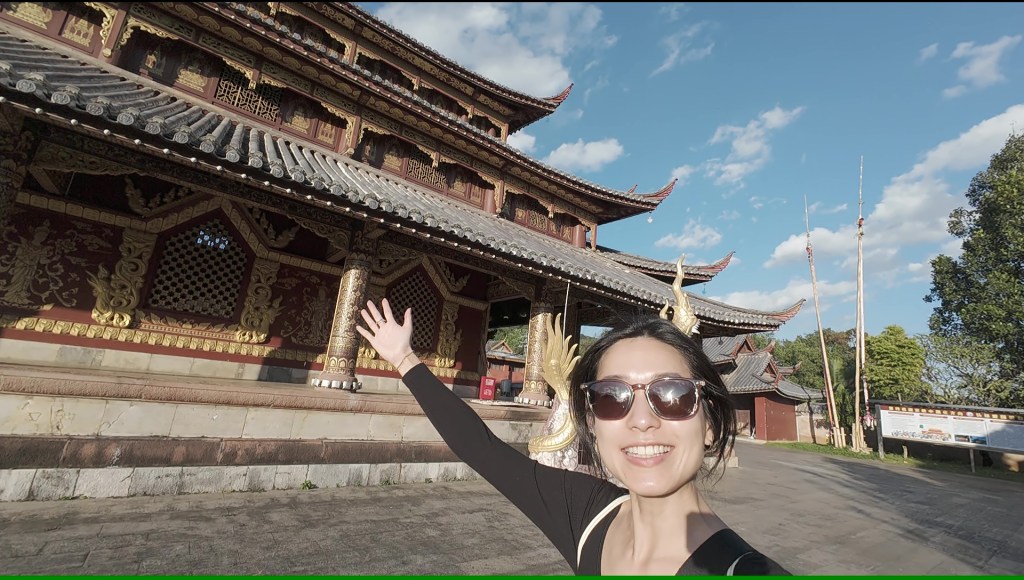
Why Is China So Safe?
There are several factors that contribute to China’s exceptional safety:
Social values and culture: There’s a strong emphasis on harmony, community reputation, and collective well-being in Chinese culture. Criminal behavior brings shame not just to the individual but to their entire family.
Consequences: The Chinese law system has strict penalties for crimes, especially those targeting foreigners or tourists.
Surveillance: While this aspect can be controversial from a Western perspective, the extensive camera systems and police presence in cities undeniably contribute to safety.
Economic improvement: Living standards in China have risen dramatically in recent decades, reducing poverty-driven crime.
While China is generally safe, travelers should be aware of the arbitrary enforcement of local laws and the importance of following local regulations.
Is China Safe for Americans and Other Westerners?
Despite political tensions between China and some Western countries, particularly the United States, this rarely affects individual travelers. Chinese people are remarkably good at separating governments from their citizens.
As a Western traveler, I was welcomed warmly everywhere. Many locals were actually excited to practice their English with me or just curious about life in North America.
The only time I experienced anything close to negativity was when a taxi driver in Beijing launched into a lengthy monologue about international politics—but even then, he emphasized that he had no issue with American people, just certain policies.
For the latest travel advisories and safety information, it is advisable to consult your country’s foreign affairs website.
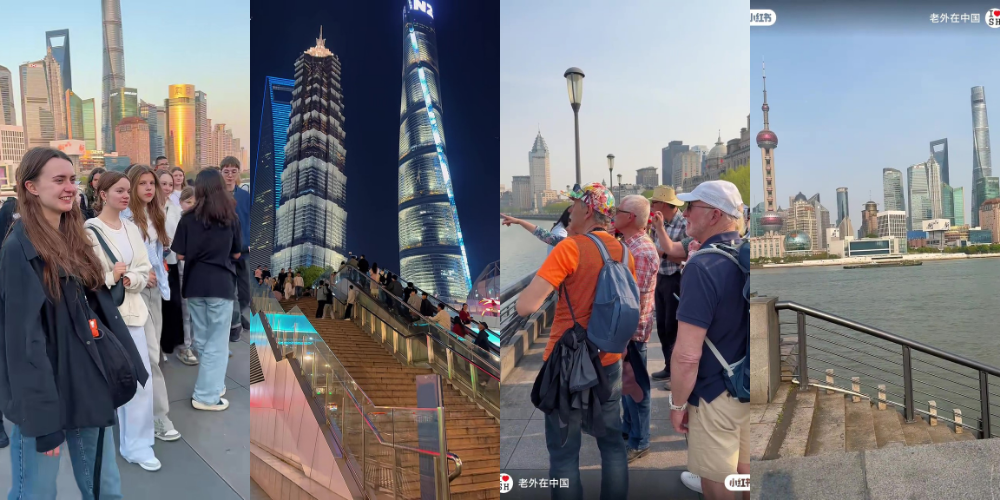
Is It Safe to Travel to Beijing, Shanghai, and Other Major Cities?
Major cities like Beijing, Shanghai, Guangzhou, and Shenzhen are incredibly safe, even by global standards. These modern Chinese cities have excellent public transportation, good lighting at night, visible security, and modern infrastructure.
In Shanghai, I felt as safe walking around at night as I did during the day. The biggest “danger” was probably getting lost in the massive metro system!
In Beijing, despite the crowds around cultural sites like the Forbidden City and Wangfujing Street, I never felt at risk of pickpocketing or scams—something I can’t say about my visits to Paris or Barcelona.
Second-tier cities like Chengdu, Xi’an, and Hangzhou might actually feel even safer, with less hustle and bustle. In Chengdu, I remember walking through residential neighborhoods at night and seeing elderly people playing mahjong outdoors and children playing without supervision—indicators of a community where safety is taken for granted.
Additionally, high-speed trains offer a convenient and efficient way to travel between major cities in China, often being faster than domestic flights for shorter distances and more affordable during peak seasons.
Safety in Rural Areas and Special Regions
While most of my experience has been in major urban centers, I’ve also ventured into rural areas of China. Even there, I felt remarkably safe. The only real challenges in these areas were language barriers, as fewer people speak English outside the cities.
If you’re planning to visit special administrative regions like Tibet Autonomous Region or the Xinjiang Uyghur Autonomous Region, be aware that these areas may have additional travel requirements. You’ll need special permits beyond your standard tourist visa to visit Tibet, for example. While these regions are also generally safe for tourists, they do have more restrictions and monitoring. Additionally, travelers should be aware of potential significant travel delays in regions like Tibet and Xinjiang due to security measures.
Safety in China After 2020
It’s worth noting that safety in China has actually improved even further since 2020. The pandemic led to enhanced public health measures and even more orderly public spaces.
When I visited post-2020, I noticed increased digital security measures (health codes, check-ins) that, while initially seeming complex for tourists, actually added another layer of organization and safety to the experience.
Additionally, travelers should check if they need a yellow fever vaccination before traveling to China, especially if they are coming from or transiting through affected areas.
Actual Concerns When Traveling in China
So if crime isn’t a concern, what should you actually worry about when visiting China? Here are the real challenges:
Language barrier: This is legitimately challenging, especially outside major cities. Few people speak English fluently, and Chinese characters can be impossible to decipher if you don’t know the language. Download translation apps before you arrive (I recommend Baidu Translate since Google doesn’t work there).
Internet restrictions: You’ll need a Virtual Private Network (VPN) to access Google, Facebook, Instagram, WhatsApp, and many other Western sites. Make sure to download and set up your VPN BEFORE entering China! I use LetsVPN which has been reliable for me across multiple trips. Additionally, be cautious with your internet usage and aware of potential surveillance, as security personnel actively monitor digital communications and personal belongings.
Traffic safety: This is probably the most dangerous aspect of China travel. Taxi drivers can be aggressive, and traffic rules are sometimes treated as optional, especially in smaller cities. Be extremely cautious when crossing streets, even at pedestrian crossings.
Cultural differences: Some things just work differently in China. Queuing might be more of a suggestion than a rule in some places. Personal space boundaries are different. These aren’t safety issues but can cause frustration if you’re not prepared.
Navigating Legal Considerations
While China is very safe from a crime perspective, it’s important to respect local laws which can sometimes be different from what you’re used to in Western countries. A few things to be aware of:
- Always carry your travel documents with you. Local authorities may conduct random checks, especially in areas with heightened security.
- Be mindful that what you post on social media or in private electronic messages can be monitored. Avoid politically sensitive topics online while in China.
- Respect regulations about photography, especially near government buildings or military installations.
- Consider registering with your country’s Chinese embassy or consulate general when you arrive, especially for longer stays.
None of these considerations make China unsafe—they’re just part of being a respectful visitor to any foreign country.
Entering and Registering in China
Entering China is pretty straightforward as long as you’ve got your valid visa sorted out—unless you’re from a country with those sweet visa exemptions. The Chinese government has been rolling out the welcome mat with friendlier policies to attract international travelers, including visa exemptions for several nationalities and a 144-hour visa-free transit policy at some entry points. Just keep your travel documents handy, as you’ll need to show proof of your next destination before you can enter China.
Once you arrive, here’s a pro tip I wish I knew earlier: make sure to register your place of residence with the local public security bureau within 24 hours. Trust me, this is a step you don’t want to skip, as ignoring it can lead to fines or worse. I learned this the hard way when I almost faced a fine for not registering on time. Also, be prepared for Chinese immigration officials to take and keep your fingerprints if you’re between 14 and 70 years old—it’s just part of the process.
Oh, and a heads-up: border officials might check out the content on your electronic devices, especially if you’re crossing between mainland China and Hong Kong. So, be mindful of what you’ve got stored or accessed on your devices. It’s always better to be safe than sorry, right?
Travel Advisories and Warnings
While China is generally safe for travelers, there are a few things you should be aware of to avoid any surprises. The Chinese government might impose an exit ban on individuals to prevent them from leaving the country. This could happen due to investigations involving you, your family, or even your employer, and it can relate to both criminal and civil matters, including business disputes. Trust me, you don’t want to be caught off guard by this!
If you have dual citizenship, always use your valid Canadian passport and present yourself as Canadian to Chinese authorities. Entering China on a Chinese passport or identity card could lead to the Chinese government treating you as a citizen of China, which means you might not get Canadian consular assistance. It’s one of those things that seems straightforward but can trip you up if you’re not careful.
The Chinese government might take action like arrests for national security violations. Demonstrations are a no-go without prior approval, and both authorized and unauthorized ones can pop up unexpectedly. Plus, tensions on the Korean Peninsula can flare up suddenly, so it’s wise to keep an eye on developments, stay alert, and follow local authorities’ instructions.
By staying informed and taking some smart precautions, you can have a safe and memorable trip to China. It’s all about being prepared and knowing what to expect, so you can focus on enjoying your adventure!
Practical Safety Tips
To make your trip as smooth as possible:
- Download offline maps (Google Maps won’t work, but Apple Maps functions well in China)
- Have your hotel address written in Chinese characters to show taxi drivers
- Keep the contact information for the nearest police station and your country’s consulate
- Consider purchasing comprehensive medical insurance that includes medical evacuation
- Take a photo of your passport and visa to keep on your mobile phone
- Use international credit cards that work in China (not all do) and carry some foreign currency to exchange

The Bottom Line on China Travel Safety
After multiple trips to China as a solo female traveler, I can honestly say it’s one of the safest countries I’ve ever visited. The combination of low crime rates, helpful locals, and efficient infrastructure makes it a place where you can focus on enjoying amazing experiences rather than worrying about your safety.
Is China perfect? Of course not. The language barrier can be challenging, the internet restrictions frustrating, and crossing the street sometimes feels like a real-life version of Frogger. But when it comes to personal safety—especially for solo female travelers—China ranks at the top of my list.
Remember those friends who thought I was “brave” for traveling to China alone? I always tell them the same thing: I actually feel safer walking around Shanghai at midnight than I do in parts of my hometown at 8 PM. And that’s the honest truth.
So if safety concerns are holding you back from experiencing this fascinating country—don’t let them. Pack your bags, download your VPN, and prepare to be pleasantly surprised by just how safe you’ll feel exploring China. However, it is advisable to reconsider travel plans based on the latest advisories from your country’s foreign affairs department.
Have you traveled to China or are you planning a trip? I’d love to hear about your experiences or answer specific questions in the comments below!

 Raw and Authentic China
Leave a comment